
Search Arizona Traffic Ticket Records
Arizona traffic ticket records are kept by Justice Courts and Municipal Courts across the state. There is no single statewide database for all traffic citations. Each court handles its own cases. You can search for tickets online through the Public Access to Court Case Information system, which covers 177 of 184 courts in Arizona. Maricopa and Pima County have their own search portals. Finding your traffic ticket record starts with knowing which court has your case. This guide shows you how to search, pay, and resolve traffic tickets in Arizona.
Arizona Traffic Ticket Quick Facts
Where Arizona Traffic Tickets Are Filed
Traffic tickets in Arizona go to either a Justice Court or a Municipal Court. The type of court depends on who wrote the ticket and where. City police send citations to municipal courts. State troopers and county deputies send them to justice courts. Each of Arizona's 15 counties has multiple justice court precincts. Large cities like Phoenix, Tucson, and Mesa run their own municipal courts.
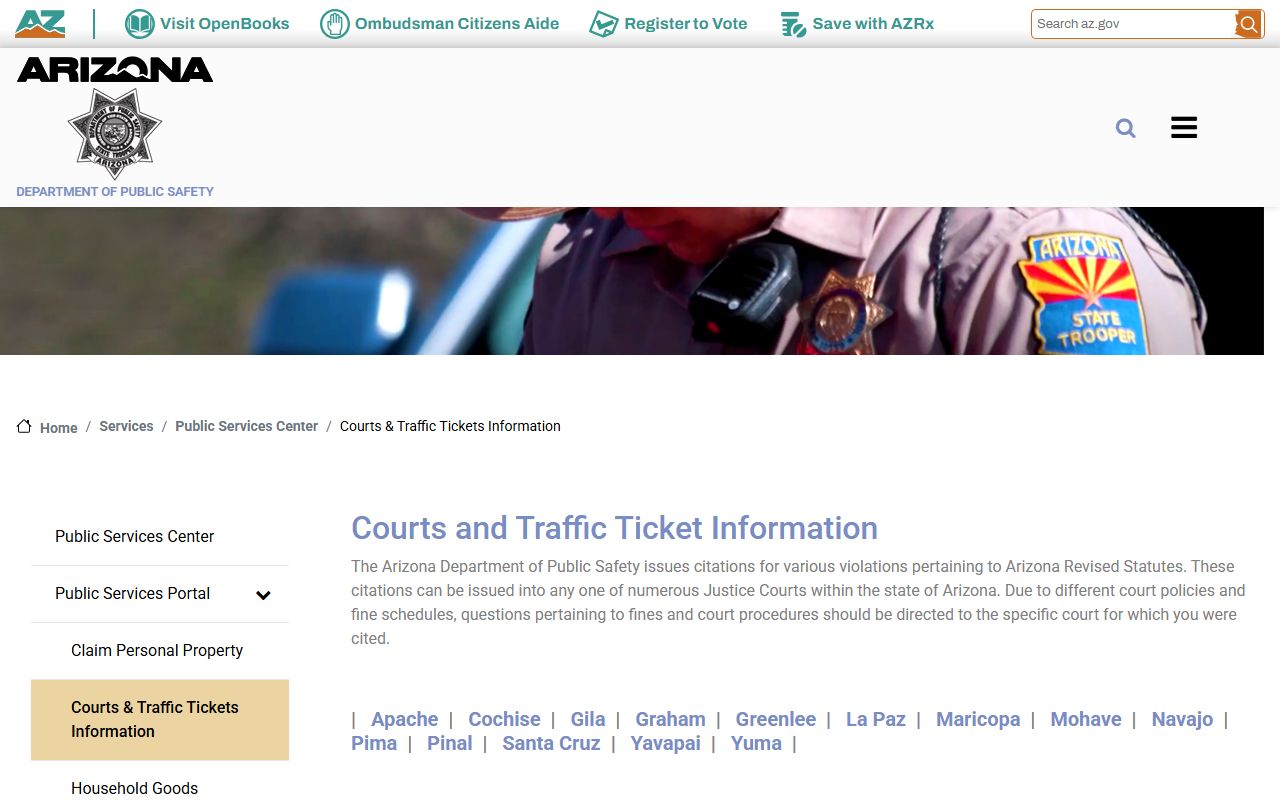
The Arizona Department of Public Safety issues citations on state highways and interstates. These tickets can be filed in any justice court in the state, based on where the stop took place. The DPS website lists contact info for courts across Arizona. Due to different court policies and fine schedules, you should contact the specific court shown on your ticket for questions about your case. DPS does not handle payments or court dates directly.
The screenshot below shows the DPS directory of Arizona courts and traffic ticket information.
Note: Your ticket shows which court has your case and the date you must respond by.
How to Search Traffic Ticket Records in Arizona
Arizona offers online access to traffic ticket records through several systems. The main tool is Public Access to Court Case Information. This free database covers 177 courts. You can search by name, case number, or citation number. The system shows case status, charges, and court dates. It does not cover Maricopa or Pima County courts. Those counties run their own portals.
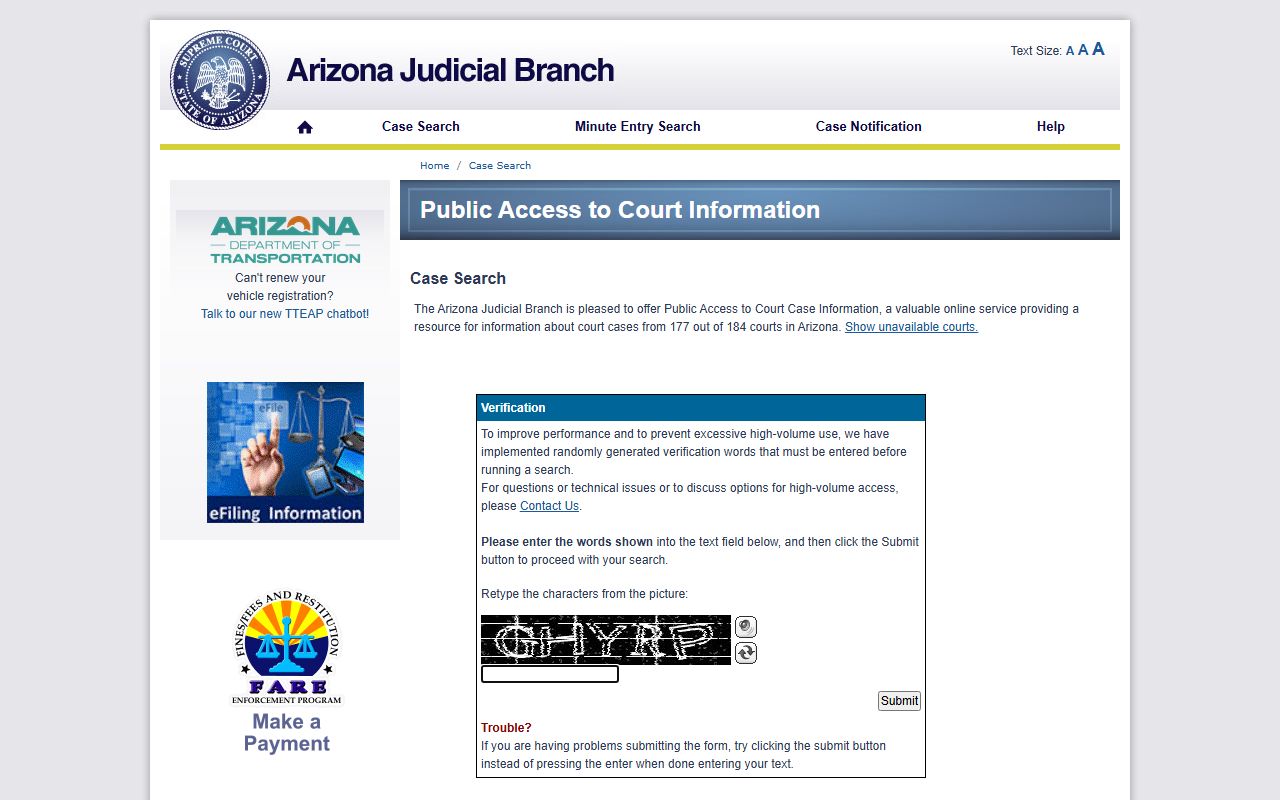
To use the Public Access system, you need one of these: a full last name and at least two letters of the first name, a case number, or a citation number from your ticket. The search is free. Results show basic case info. You can see the charges, your court date, and whether you have any fines due. The system also shows if there is a hold on your vehicle registration from unpaid tickets.
Maricopa County Justice Courts use a different system. Go to the Maricopa County case search portal to look up tickets in that county. Pima County has its own search at jp.pima.gov. These two counties handle the most traffic cases in Arizona. If you got a ticket in Phoenix, Mesa, Tempe, or other Maricopa County cities, use the Maricopa portal. For Tucson area tickets, use the Pima County system.
Municipal courts also have online tools. Phoenix Municipal Court, Mesa City Court, and Scottsdale City Court each have their own websites where you can search cases and make payments. The court listed on your ticket will have the records you need.
Paying Arizona Traffic Tickets Online
Most Arizona courts accept online payments for traffic tickets. The statewide payment portal is AZCourtPay. You need your citation number, case number, or notice number to pay. The system accepts Visa and MasterCard only. A convenience fee applies to all online payments.
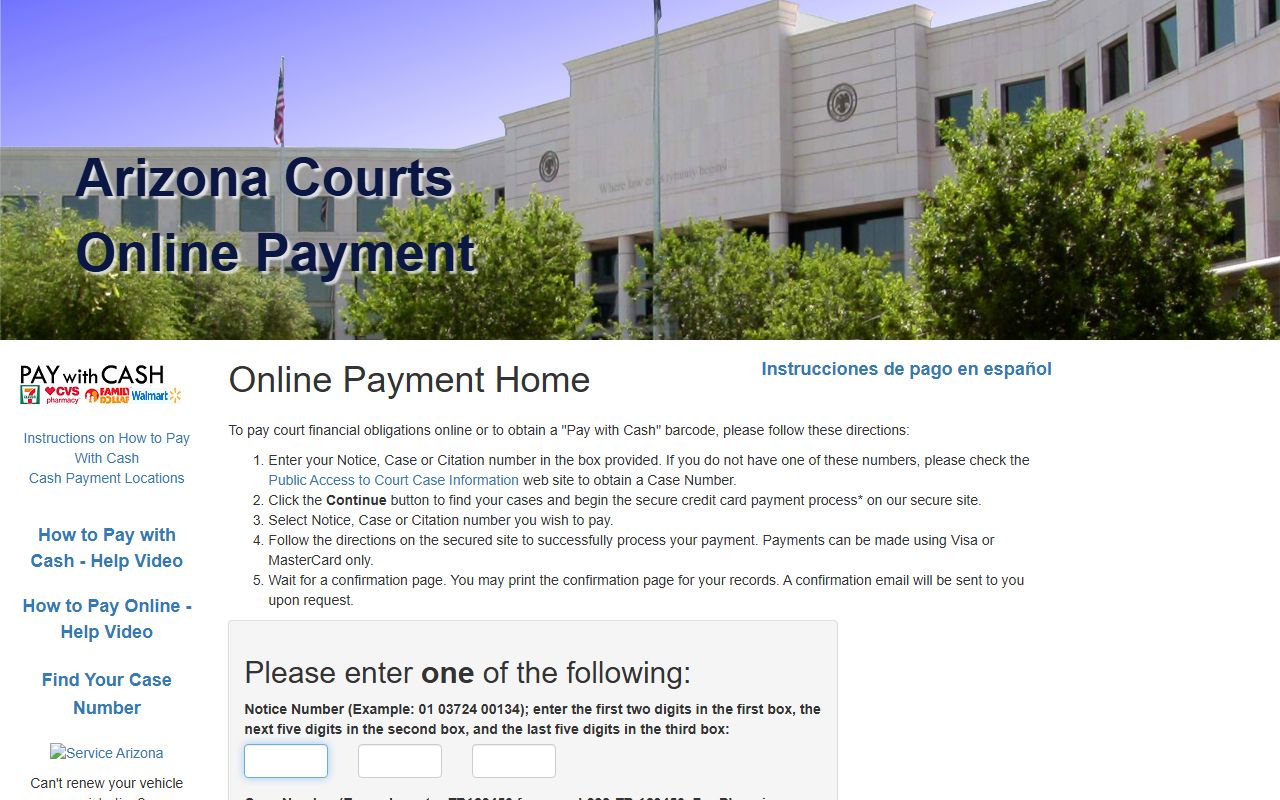
When you pay a traffic ticket online, you waive certain rights. You agree to forfeit your bond to satisfy the fine. You give up your right to a hearing. You cannot attend defensive driving school after paying. Any points from the violation will go on your driving record. If you want to fight the ticket or take traffic school, do not pay online. Contact the court first to learn your options.
Cash payments are available through PayNearMe. This service costs $2.99. You can pay at 7-Eleven, CVS, Family Dollar, Walmart, or Walgreens. Get your barcode from the court or download it from PayNearMe. Your payment posts to the court within 15 minutes. This is a good option if you do not have a credit card or prefer to pay cash.
Note: It can take up to 10 days for a new ticket to appear in the system for payment.
Arizona Defensive Driving School Option
You may be able to dismiss your ticket by taking a defensive driving course. Arizona law allows this for most civil traffic violations. If you complete the class, no points go on your license. The violation does not appear on your public driving record. This is often the best choice for keeping your insurance rates low.
The Arizona Courts defensive driving page explains how the program works. You must meet certain rules to qualify. You cannot have taken defensive driving for another ticket in the past 12 months, counting from violation date to violation date. Your ticket must be for an eligible moving violation. Tickets from accidents with death or serious injury do not qualify. CDL holders can only use this option if they were driving a personal vehicle and not for work.

Costs for defensive driving include:
- State fee of $24
- State surcharge of $45
- Court fee that varies by location
- School course fee around $30
You must finish the class at least 7 days before your court date. The school will check that you are eligible when you register. They run a database search to confirm you have not used this option in the past year. After you complete the course, the school reports it to the court. Your case is then dismissed.
What Happens If You Do Not Pay a Traffic Ticket
Ignoring a traffic ticket leads to serious problems. The court will enter a default judgment against you. Your license may be suspended. The Motor Vehicle Division will put a hold on your vehicle registration. You will not be able to renew your plates until you clear the debt.
Arizona has a program called TTEAP that enforces unpaid traffic fines. TTEAP stands for Traffic Ticket Enforcement Assistance Program. After two failed attempts to collect, the court sends your case to this program. MVD then places a hold on your registration. The hold affects all vehicles where you are listed as owner, including cars, ATVs, boats, and trailers. A co-owner on the vehicle title may also be affected by your unpaid tickets.
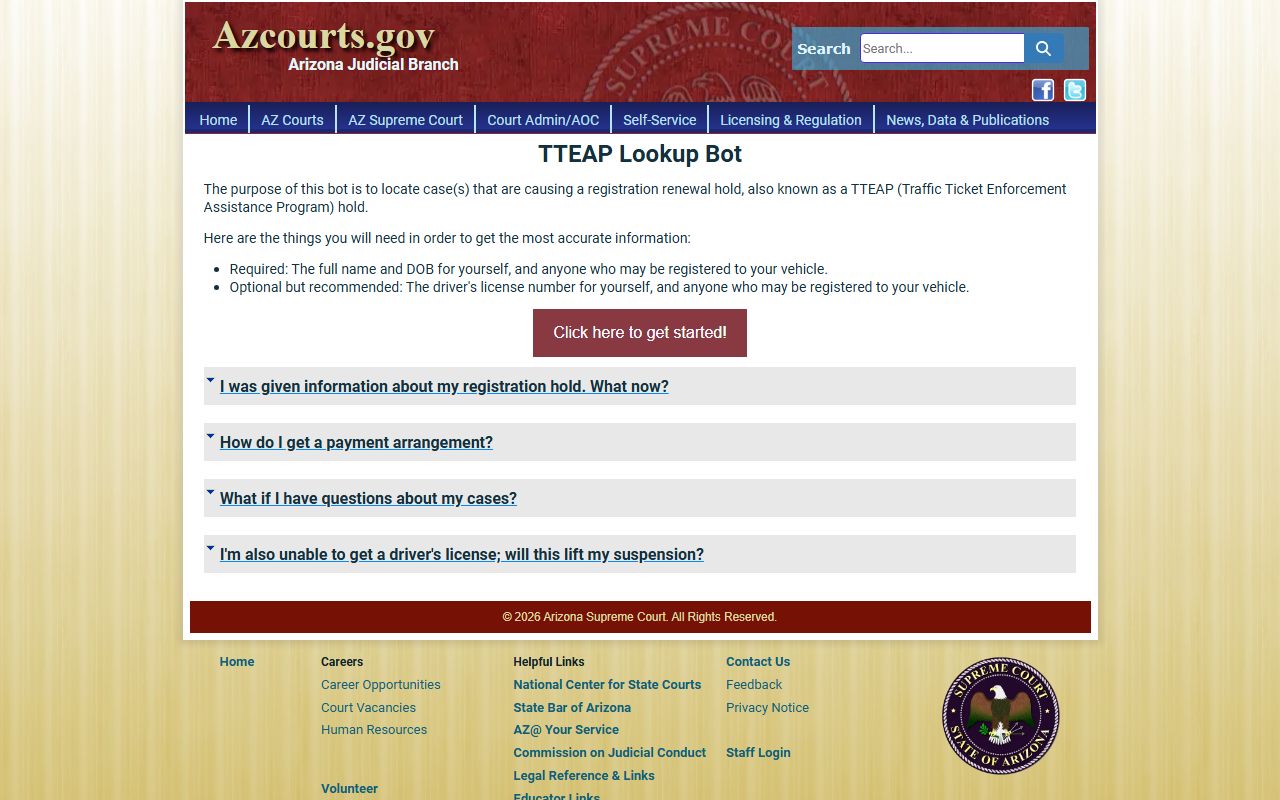
The TTEAP page has a lookup tool. You can check if you have a hold on your registration. You can also use the Public Access site to search for cases with vehicle registration holds. Once you pay all fines and fees to every court involved, the hold is released.
Collection fees add up fast. When your case goes to collections, a $35 delinquency fee is added. Interest charges at 19% begin. A default fee of $75 per civil violation may also apply. These costs stack on top of the original fine. The sooner you deal with a ticket, the less you pay.
Arizona Driving Records and Traffic Violations
Traffic violations stay on your Arizona driving record for 39 months. This is 3 years and 3 months from the date of the violation. During this time, the ticket can affect your insurance rates. It may also count toward point totals that could lead to license suspension.
You can get a copy of your driving record from the Arizona MVD. An uncertified 3-year record costs $3. A certified 5-year record costs $5. You can request records online, by mail, or at an MVD office. The federal Driver Privacy Protection Act limits who can access your personal driving information. You can always get your own record without restrictions.
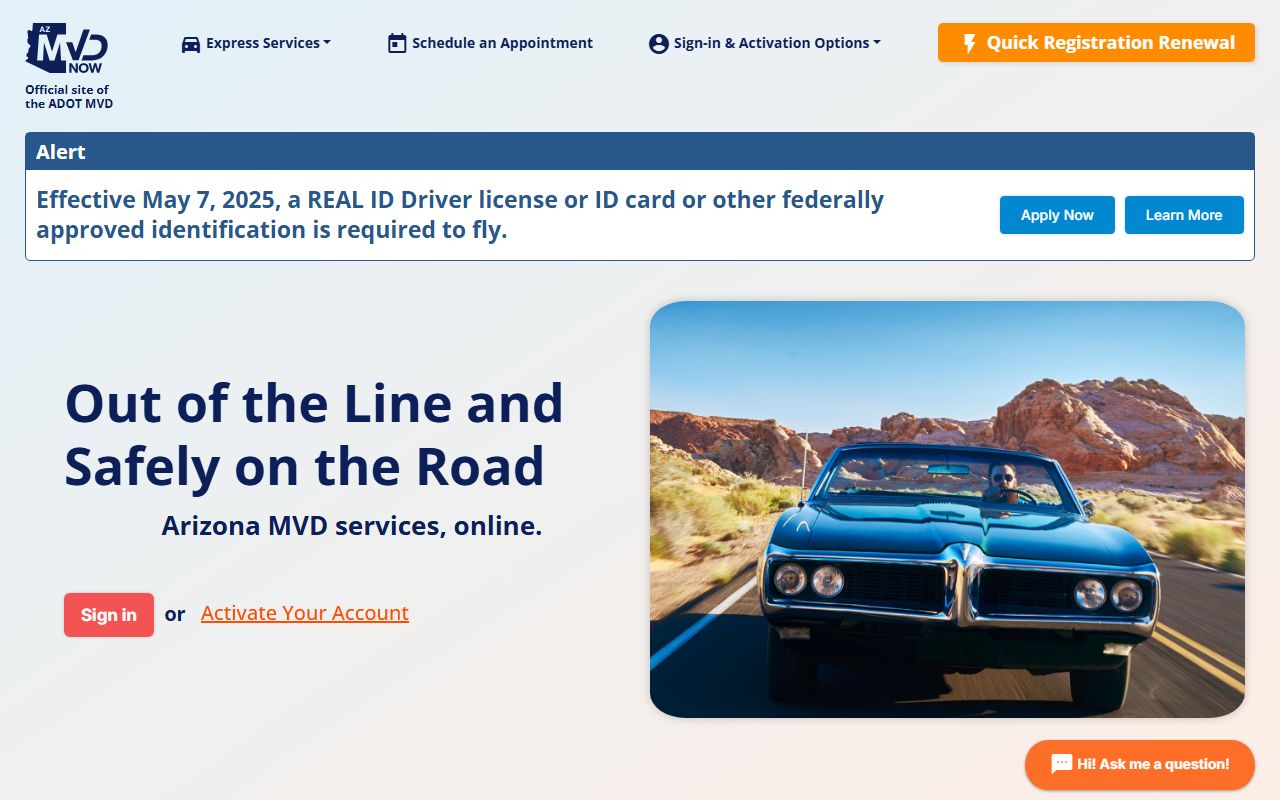
For mail requests, use form 46-4416 from the MVD forms library. Your signature must be notarized or witnessed by an MVD agent. Send the form with your payment to the Records Unit at PO Box 2100, Phoenix, AZ 85001-2100.
Accessing Arizona Court Records
Beyond traffic tickets, Arizona courts offer public access to many types of case records. The eAccess system provides Superior Court records from July 2010 to present. This includes civil and criminal cases at the superior court level. Pima County criminal cases are only available from July 2015 forward. The system does not include probate, juvenile, or family court cases.
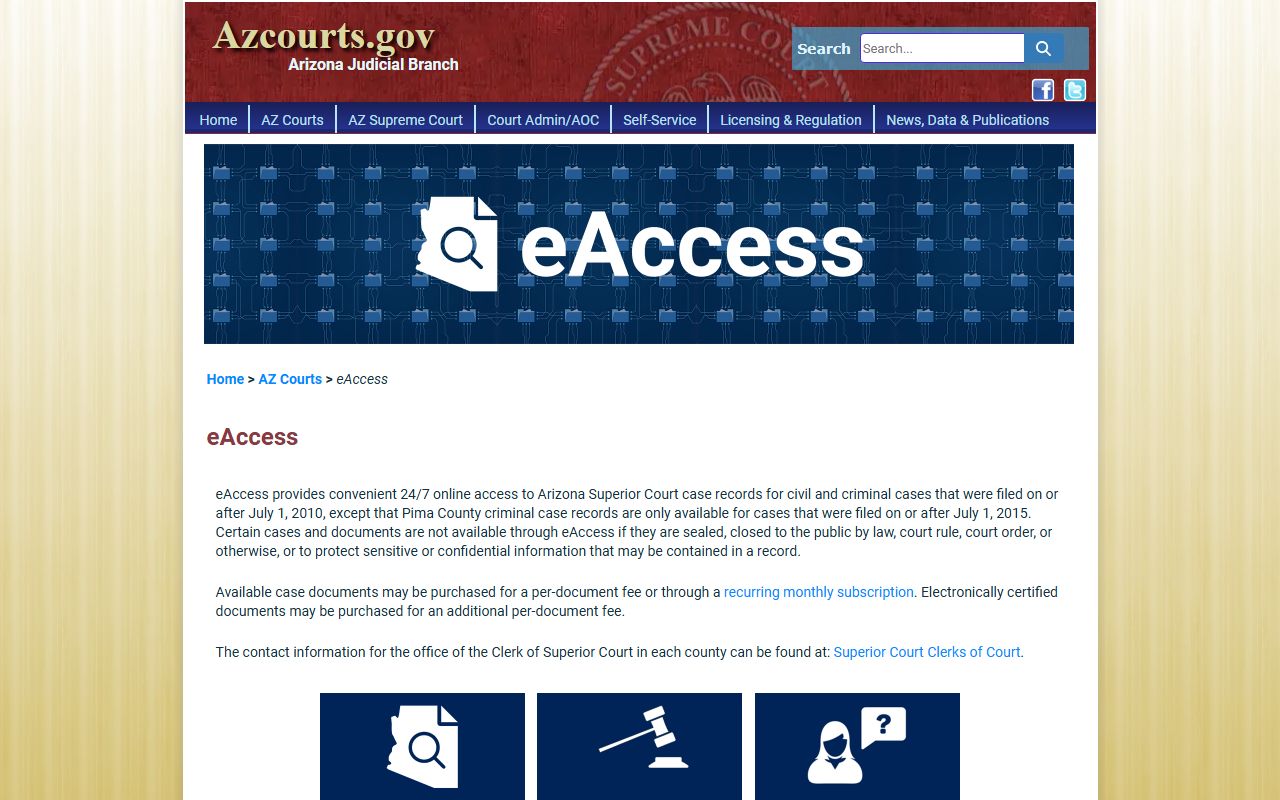
Using eAccess requires free registration. You need an email address, phone number, and credit card on file. Previewing the first page of any document is free. To view and download all pages costs $10 per document. This system is useful for researching case histories beyond basic traffic matters.
For help with court procedures, AZ Court Help offers guides and FAQs. The site explains traffic fine payments, court appearances, and what happens if you miss your date. It is a good resource if you have questions about your rights or options.
Arizona Traffic Violation Laws
Arizona law divides traffic violations into civil and criminal categories. A.R.S. 28-121 sets this framework. Most tickets are civil violations. They carry fines and points but no jail time. Criminal traffic violations are more serious. They can result in misdemeanor charges, fines up to $2,500, and up to 6 months in jail.
Civil traffic tickets have a simpler process. You can pay the fine, request a hearing, or take defensive driving if eligible. You have until the court date on your ticket to respond. Failure to appear or pay results in a default judgment. The court will report this to MVD, which will suspend your license until you resolve the case. Additional fees will be added to your total.
For criminal traffic charges, you must appear before a judge. These include DUI, reckless driving, and driving on a suspended license. You have the right to an attorney for criminal charges. The court will explain your rights at your first appearance. Penalties are more severe than civil tickets, so legal help is often worth the cost.
Photo enforcement tickets have special rules under A.R.S. 28-1602. If you get a notice in the mail, you do not have to respond unless you are formally served. The county has 60 days from the violation to file with the court. They then have 90 more days to serve you in person. Simply mailing the notice is not enough to create a legal obligation. If served, you must respond or face default judgment.
Browse Arizona Traffic Records by County
Each county in Arizona has Justice Courts that handle traffic tickets. Pick a county below to find local contact info and resources for traffic citations in that area.
Traffic Ticket Records in Major Arizona Cities
Residents of major cities file traffic cases at Municipal Courts or Justice Courts. Pick a city below to learn about traffic ticket records in that area.